Fresh air, indoor air quality and evaporative cooling
A working cooler is a whole-house outdoor-air machine. Pads filter some grit and pollen; they do not make a sealed house, and they must not run in smoke.
Published 29 September 2025 · Updated 3 February 2026
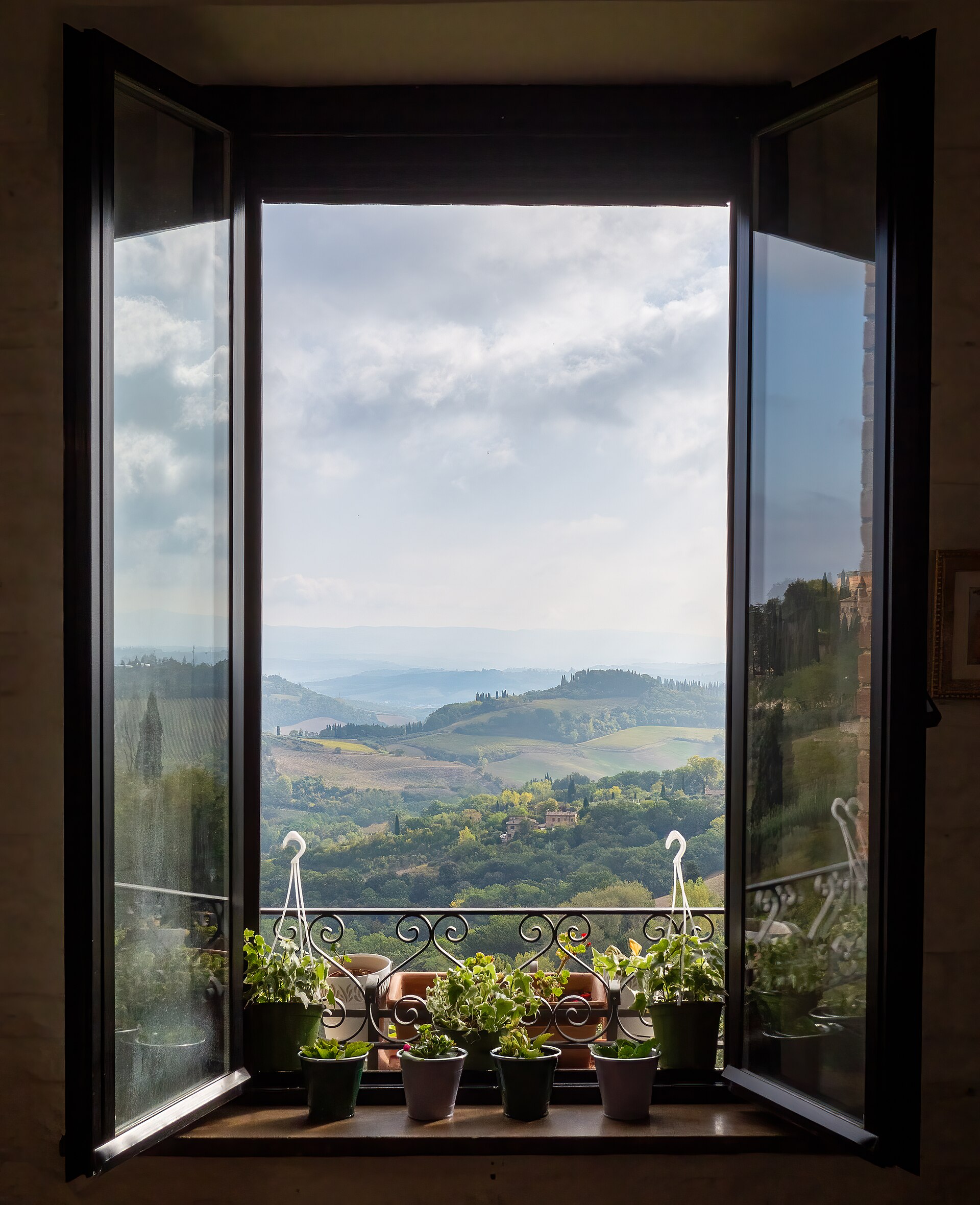
Indoor air quality, in the sealed-house sense, is the wrong frame for an evaporative cooler. The machine is not trying to hold a bubble of treated air. It is trying to replace the air in the rooms, continuously, with outdoor air that has passed through a wet pad. If that sounds like leaving the windows open with a purpose, that is because it is.
Australians who grew up with refrigerated splits sometimes treat the rooftop cooler as a failed version of the same idea. It is a different idea. The health story follows the airflow: what comes in, what the pads do to it, what happens to pollen, and why the sealed modern house is a contrast rather than a goal.
Continuous outdoor air is the point
A ducted evaporative cooler pulls a large volume of outdoor air through the cabinet and dumps it into the house. The same volume has to leave. That is why windows must stay open while the machine runs. It is also why the indoor air, on a working day, tracks the outdoor air more closely than a reverse-cycle house does.
For people who spend summer indoors with the splits cycling and the windows locked, that continuous replacement can feel like relief: fewer stale smells, less of the human fug that builds in a tight lounge, a sense that the house is breathing. For people who are trying to keep outdoor pollution out, the same design is a liability. The cooler cannot inspect the sky. It will draw whatever is out there.
This is the fork that matters. Fresh dry air is a benefit. Bushfire smoke is a reason to shut down. A humid afternoon is a reason to stop the water. The machine does not choose. You do.
What the pads actually filter
Wet cellulose or aspen is a crude filter. Large grit, insects, some fibres and a portion of pollen and urban dust lodge in the wet faces. The air that reaches the ducts is not the same as the air at the eaves. That is real, and it is limited.
Pads are not HEPA. They are not maintained like a hospital filter. They load up, they scale, they grow films if they stay damp and dirty. A loaded pad can shed mineral dust into the airstream — the white film on furniture near outlets — and it can smell. At that point the “filter” has become a source. Replacing cooler pads is an air-quality job as much as a comfort job.
The water in the tray is part of the same system. Stagnant, warm, unbled water is a biology experiment on the roof. Bleed, a clean tray at the start of the season, and a dry-out when you shut the machine down for a stretch are the unglamorous controls. They belong in ordinary maintenance, not in a wellness brochure.
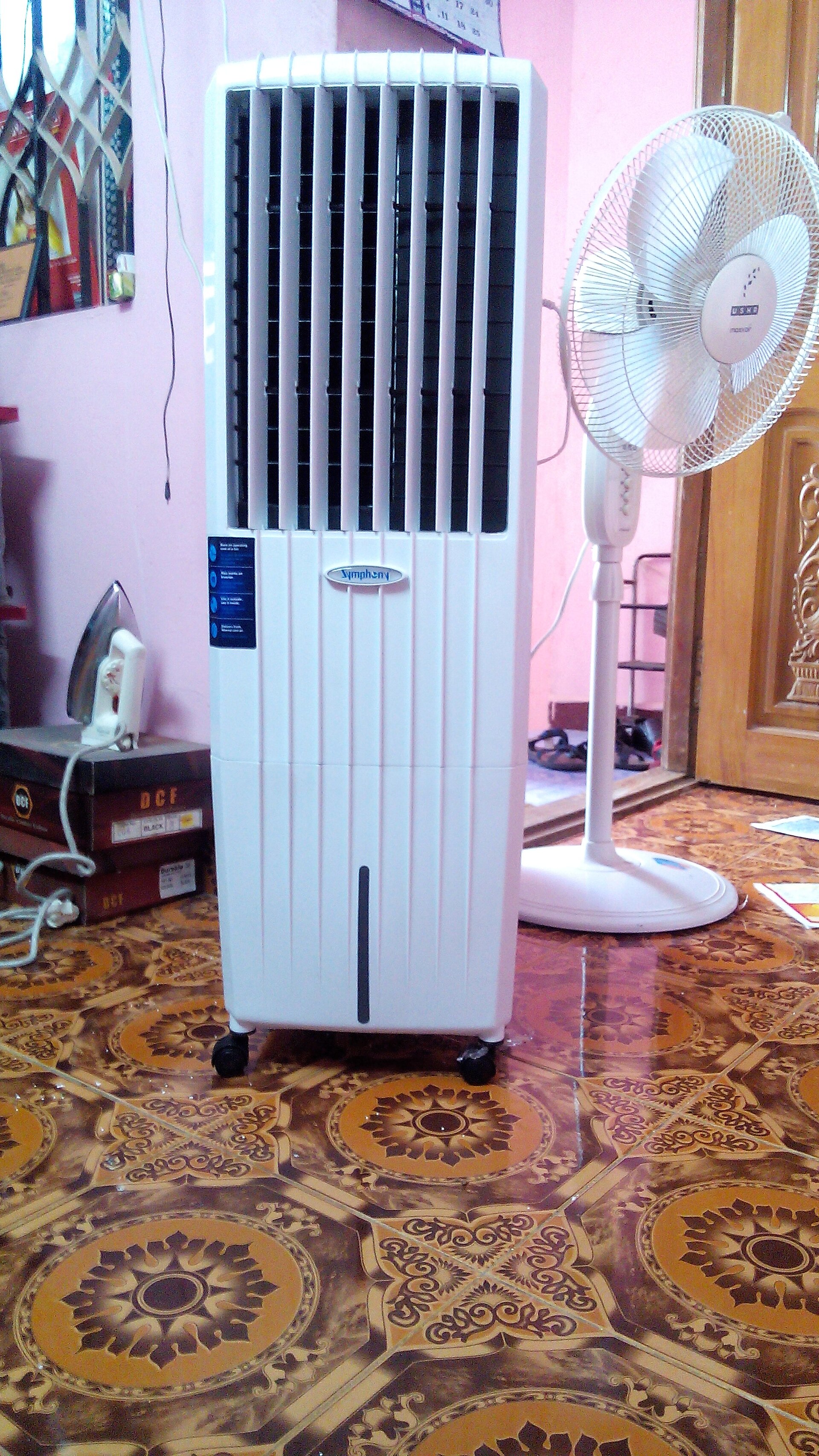
Portable coolers concentrate the same issues in a plastic tank next to the bed. The pad is small, the water sits, and the “fresh air” is only as outdoor as the window you remembered to open. In a closed bedroom a portable is a humidifier with a fan.
Pollen, the unresolved particle
Pollen is why some households love the cooler and some dread November. A wet pad will catch some grains. It will not catch a spring blow the way a sealed house with a good filter might. The house is also open. Pollen that did not hit the pad can arrive through the same window that is exhausting the moist air.
If you already know you are worse on high-pollen days, treat the cooler as outdoor air, because that is what it is. Shorten hours. Choose rooms. Do not expect the pad to be a clinical intervention. People with asthma or hayfever need the more careful piece on asthma, allergies and living with an evaporative cooler, and they need their clinician, not a journal.
After a dusty or high-pollen week, look at the pads. A surface that has gone felted and yellow is not “still filtering”. It is loaded. Clean what can be cleaned; replace what has glazed.
The sealed-house contrast
The contemporary Australian renovation often aims at tightness: better windows, exhaust fans, a reverse-cycle system, a house that holds its conditioned air. That envelope makes sense for refrigerated cooling and for winter. It is a poor partner for a rooftop evaporative unit.
Run the cooler in a house that has been sealed for splits and you get rising humidity, weak cooling, and a smell. The air has nowhere to go. Open the house and you have undone the tightness you paid for. Many households end up with both systems and a seasonal decision: evaporative and open in the dry heat; reverse cycle and closed when the air is humid, cold, or dirty.
That decision is also an indoor-air decision. Closed reverse-cycle air is recirculated, filtered if the system has a filter you actually change, and isolated from the street. Evaporative air is outdoor air, lightly washed, constantly renewed. Neither is automatically healthier. A dirty pad and a dirty split filter are both indoor-air failures. A clean evaporative system on a clean dry day is a lot of outdoor air. A clean split in a house with no outdoor air can be stale.
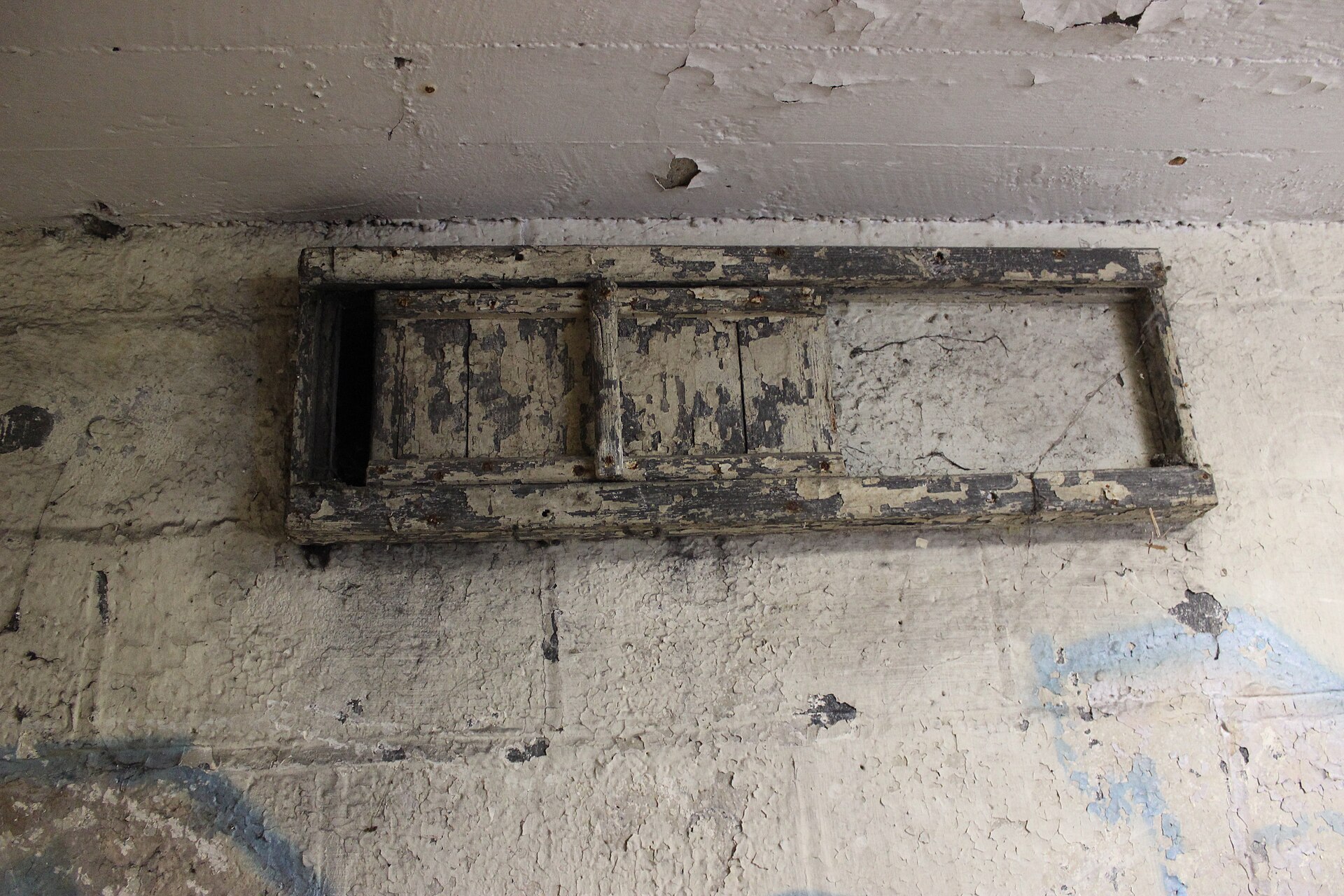
New houses with evaporative cooling still need designed exhaust paths — windows that can be left open securely, or vents that actually work — not a marketing line about “set and forget”. Older units without a useful thermostat already refuse to forget. They run until you switch them off. Indoor air quality in those houses is a habit: on when the outdoor air is worth having, off when it is not.
When outdoor air is not welcome
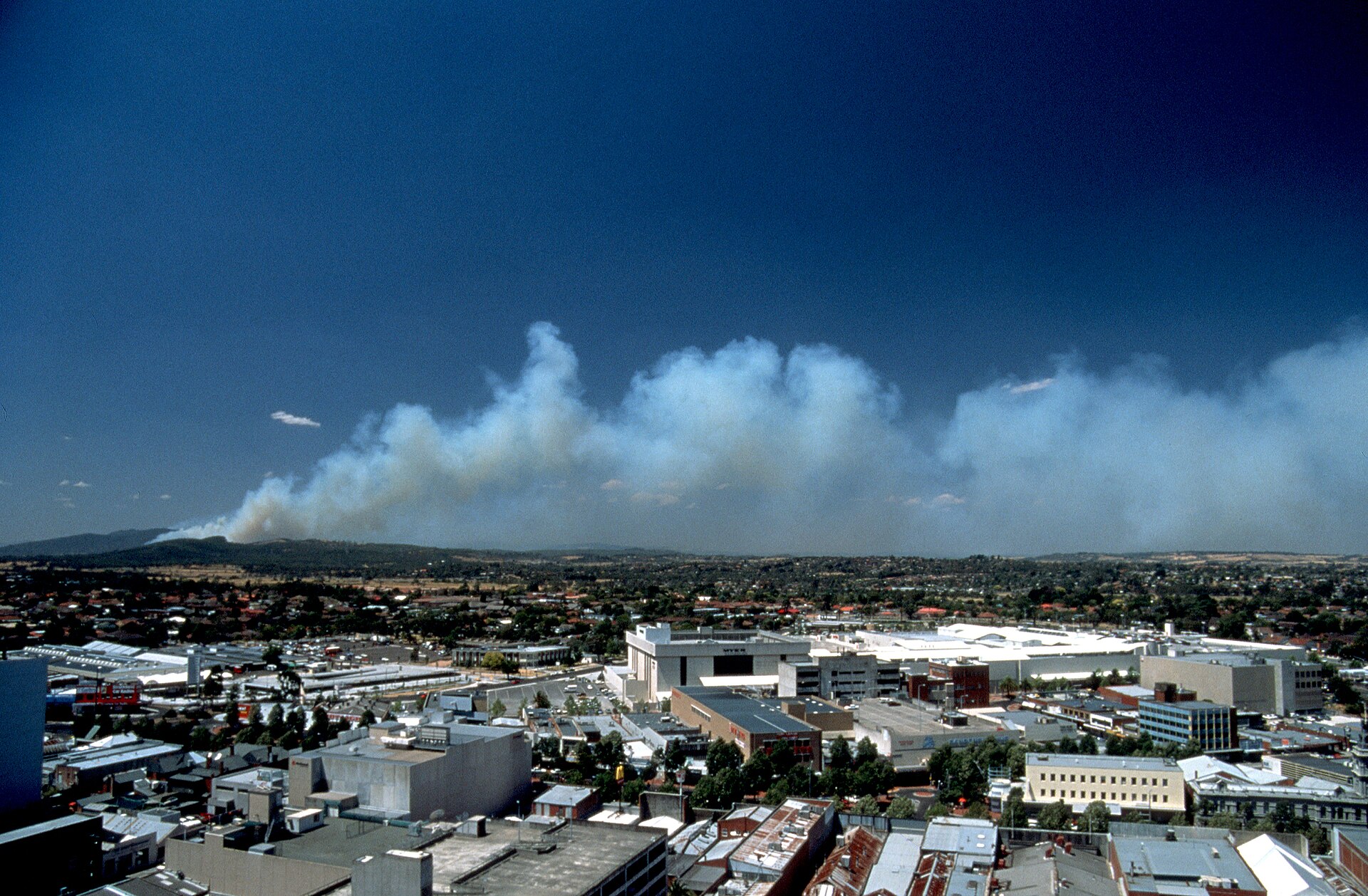
Bushfire smoke is the clearest case. Public guidance, including from Sustainability Victoria, is to avoid drawing smoky air indoors. An evaporative cooler is a dedicated smoke-intake device if you leave it on. The shutdown, the vents, and the recovery after a smoke day have their own essay: bushfire smoke and evaporative coolers.
Traffic canyons, a neighbour’s wood heater, a dust storm, a spray drift from a nearby paddock — these are local versions of the same rule. If you would not sit on the verandah, do not ask the roof to import the verandah.
On humid days the issue is moisture rather than particles. Outdoor air that cannot take more water will not cool by evaporation. Running the pads then raises indoor humidity and can leave fabric and bathrooms damper than they were. Fan-only, or off.
Living with a breathing house
The practical indoor-air routine is unromantic. Start the season with clean pads, a clean tray and a bleed you have measured. Run the machine when the outdoor air is dry and reasonably clean. Leave opposite windows open enough to feel a path through the house. Close unused rooms if you can, so you are not washing air through spaces you have shut for other reasons.
Do not use the cooler as a 24-hour air cleaner. It is not one. Do not close the house to “keep the cool in”. The cool is a moving stream. When the stream has to stop — smoke, humidity, a night you would rather lock — stop the machine and, if you have it, use a different system.
Winter is the sealed season for these houses. Cover the rooftop unit, close the ceiling vents, and stop treating the ducts as an open flue. The fresh-air machine is also a hole if you leave it to the southerly.
Indoor air quality under evaporative cooling is mostly outdoor air quality, plus the honesty of the pads. That is a simpler claim than the sealed-house industry prefers, and it is the one the airflow will enforce whether you like the wording or not.
Frequently asked
- Does an evaporative cooler bring in fresh air?
- Yes. That is the design. Outdoor air is drawn through wet pads and delivered to the rooms, and moist air must leave through windows or doors. It is ventilation with cooling attached, not a sealed-loop air conditioner.
- Do cooler pads filter pollen and dust?
- Wet pads catch some grit, insects and a fraction of pollen. They are not a medical-grade filter and they become a problem if they stay damp and dirty. People who are sensitive to pollen still need to treat high-count days as outdoor-air days.
- Should I close the house to keep the cool in?
- No. Closing up raises humidity, stalls evaporation and makes rooms clammy. The fresh-air benefit and the cooling both depend on a path out. Seal the house only when you have shut the cooler down — for example on a smoke day.
More from Health
Health · 27 October 2025
Bushfire smoke and evaporative coolers: when to shut down
Public guidance is blunt: do not draw smoke indoors. Shut the cooler down, close the vents, and treat the pads as contaminated until you have cleaned or replaced them.
Health · 13 October 2025
Asthma, allergies and living with an evaporative cooler
Fresh washed air helps some households. Damp pads, mould and mineral dust help no one. This is a maintenance and shutdown guide, not medical advice.